82 mg Across Nine Ingredients: What That Arithmetic Actually Means
Quick Answer: Can 82 mg Hold Nine Working Doses?
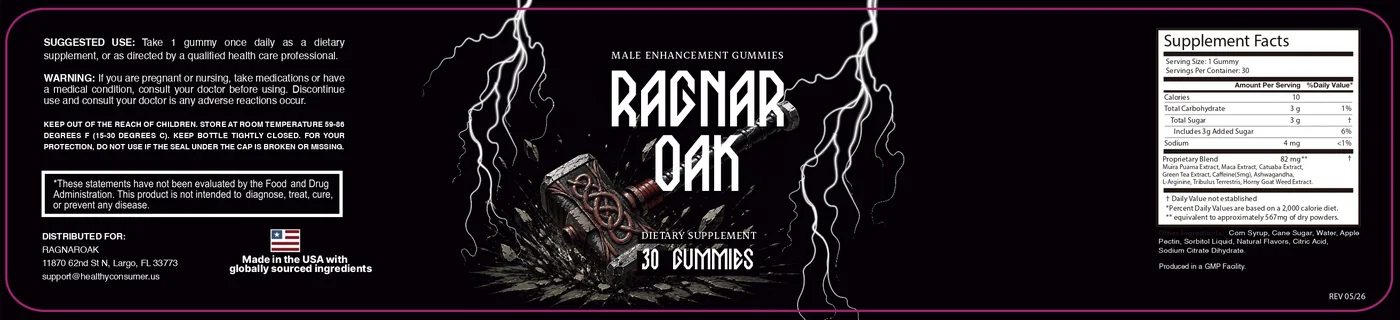
No, and the arithmetic is not close. A proprietary blend must disclose its total weight, and this one is 82 mg — with a footnote saying that is equivalent to roughly 567 mg of dry powders, meaning concentrated extracts were used. Take the generous reading of 567 mg and divide it nine ways and you get about 63 mg per ingredient. Ashwagandha trials use 300–600 mg. Maca trials use 1,500–3,000 mg. Arginine trials use 1,500–5,000 mg. The blend is one to two orders of magnitude below all of them.
- Disclosed: the blend total, 82 mg, and caffeine at 5 mg.
- Undisclosed: how the remaining 77 mg splits across eight ingredients.
- Known: the order — blends must be listed heaviest first.
What a blend total does and does not tell you
Under US supplement labelling rules, ingredients combined into a proprietary blend can be listed by name in descending order of weight with only the blend's combined total disclosed. That gives you two real pieces of information and withholds one.
You know the total. You know the ranking — muira puama is listed first, so it is the heaviest, and horny goat weed is listed last, so it is the lightest. What you do not know is the distribution, and distributions in this category are famously lopsided: it is entirely possible for the first ingredient to be 90% of the blend and the last eight to be dusting.
Doing the maths anyway
The footnote matters. “82 mg** ... ** equivalent to approximately 567 mg of dry powders” is telling you that concentrated extracts were used, so 82 mg of extract stands in for 567 mg of the raw herb. Use the larger figure, because it is the one most favourable to the product.
| Ingredient | Typical studied dose | Even at an equal 1/9 share (63 mg) |
|---|---|---|
| Ashwagandha extract | 300–600 mg/day | 5–10× short |
| Maca root | 1,500–3,000 mg/day | 24–48× short |
| L-arginine | 1,500–5,000 mg/day | 24–80× short |
| Tribulus terrestris | 750–1,500 mg/day | 12–24× short |
| Green tea extract | 300–800 mg/day | 5–13× short |
And that table is charitable twice over: it assumes an equal split, which blends never have, and it uses the dry-powder equivalent rather than the actual 82 mg.
Why formulas are built this way
Two reasons, and only one of them is cynical. The cynical one is label appeal: nine recognisable botanical names sell better than one, and a blend total hides the fact that most of them are present in trace amounts. The practical one is physical: a gummy has a fixed volume, most of which is pectin, sugar and water, and there is only so much bitter plant extract you can put in something people are willing to chew.
That physical constraint is real and it is why the whole gummy category runs light. It is also why comparing a gummy to a capsule on ingredient count rather than dose is the wrong comparison.
How to run this check on any label
Three steps, ninety seconds. Find the blend total. Count the ingredients in it. Look up the studied dose of the one ingredient you actually care about and compare. If the blend total is smaller than a single studied dose of a single ingredient in it, you now know what you are buying — which may still be fine, if what you want is a pleasant daily habit at a low price, but it is not what the marketing implied.
The alternative label to look for says something like “KSM-66 ashwagandha extract 600 mg”: one named ingredient, one number, one thing you can check.
Medical note: dose arithmetic tells you what a product cannot do; it does not make anything safe or unsafe on its own. If you take prescription medication, particularly nitrates or blood-pressure drugs, check with a pharmacist before adding any vitality supplement.
Scientific references
Frequently asked questions
What does a proprietary blend hide?
The amount of each individual ingredient. Labelling rules allow a blend to disclose only the combined total, with the ingredients listed in descending order of weight. You learn the total and the ranking, not the split.
How much ashwagandha do studies use?
Human trials on ashwagandha for stress and cortisol typically use 300 to 600 mg per day of a standardised root extract, usually split into two doses. That single dose is several times the total weight of an 82 mg nine-ingredient blend.
Is a 567 mg dry-powder equivalent the same as 567 mg of herb?
It is the manufacturer's statement that the 82 mg of concentrated extract corresponds to roughly 567 mg of raw dried plant material. It is the more generous figure to reason with, but the actual material in the gummy is 82 mg.
Are gummy supplements always underdosed?
Not always, but the format has a hard ceiling. A gummy is mostly pectin, sugar and water, and concentrated botanical extracts are bitter, so there is a limit to how much active material one can carry. Capsules and powders do not face the same constraint.
See the full RagnarOak label breakdown
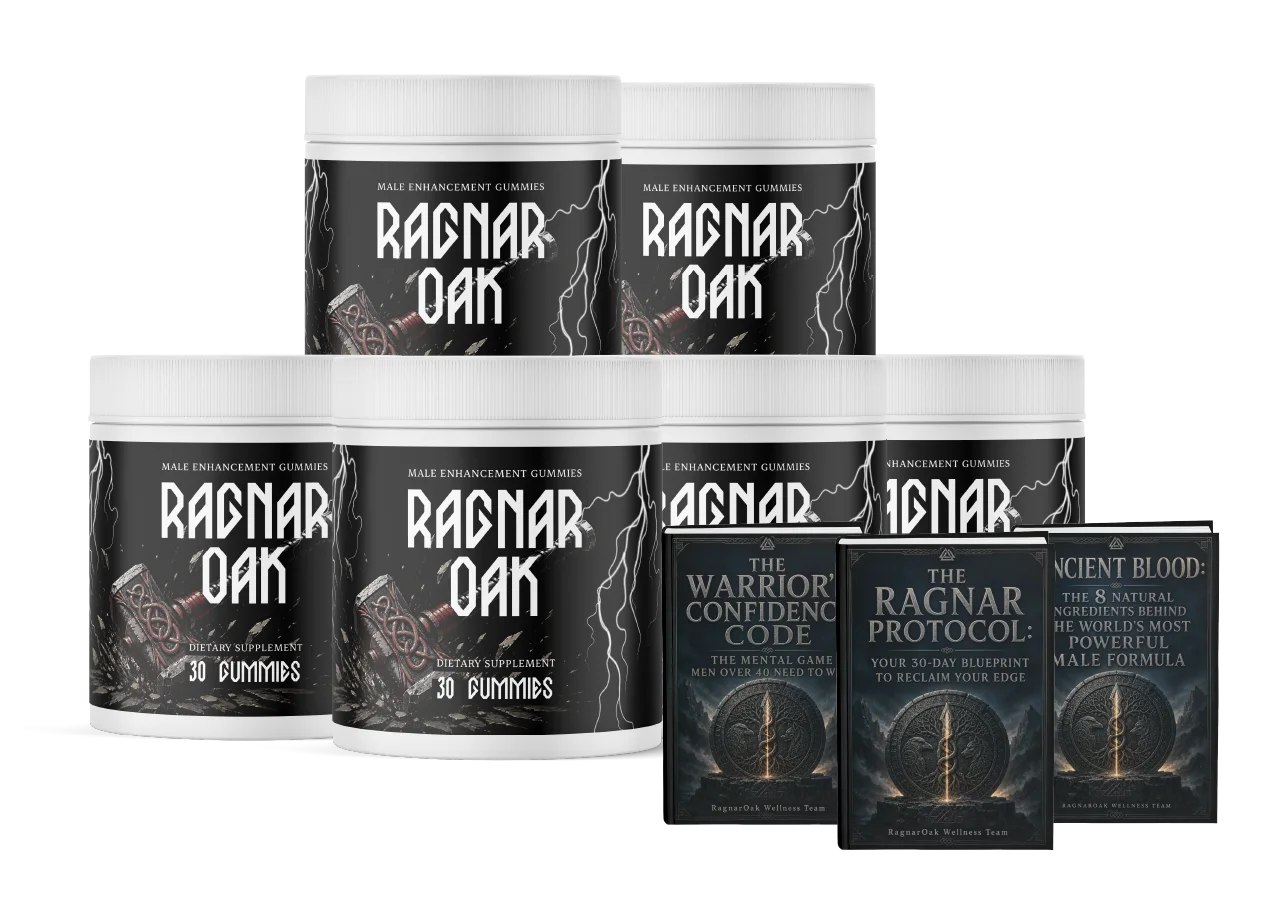
All nine blend ingredients, what each is actually studied for, and the arithmetic laid out next to the manufacturer's claims.
Read the RagnarOak Review