Why a Gummy Physically Cannot Carry a Clinical Dose
Quick Answer: Are Gummy Supplements Weaker Than Capsules?
Almost always, and for reasons that are structural rather than commercial. A standard gummy weighs two to four grams, and the great majority of that is the base — corn syrup, cane sugar, water, pectin, citric acid, buffering salts. Concentrated botanical extracts are intensely bitter, so the amount you can load before the sweet base stops masking it is small, typically in the tens to low hundreds of milligrams. A capsule carries 500–800 mg of powder with no taste constraint at all.
- The ceiling: roughly 100 mg of bitter actives before taste fails.
- The trade: adherence — people take gummies they enjoy, and skip pills they don't.
- The cost: 3 g of added sugar per gummy in this case, and doses far below trial levels.
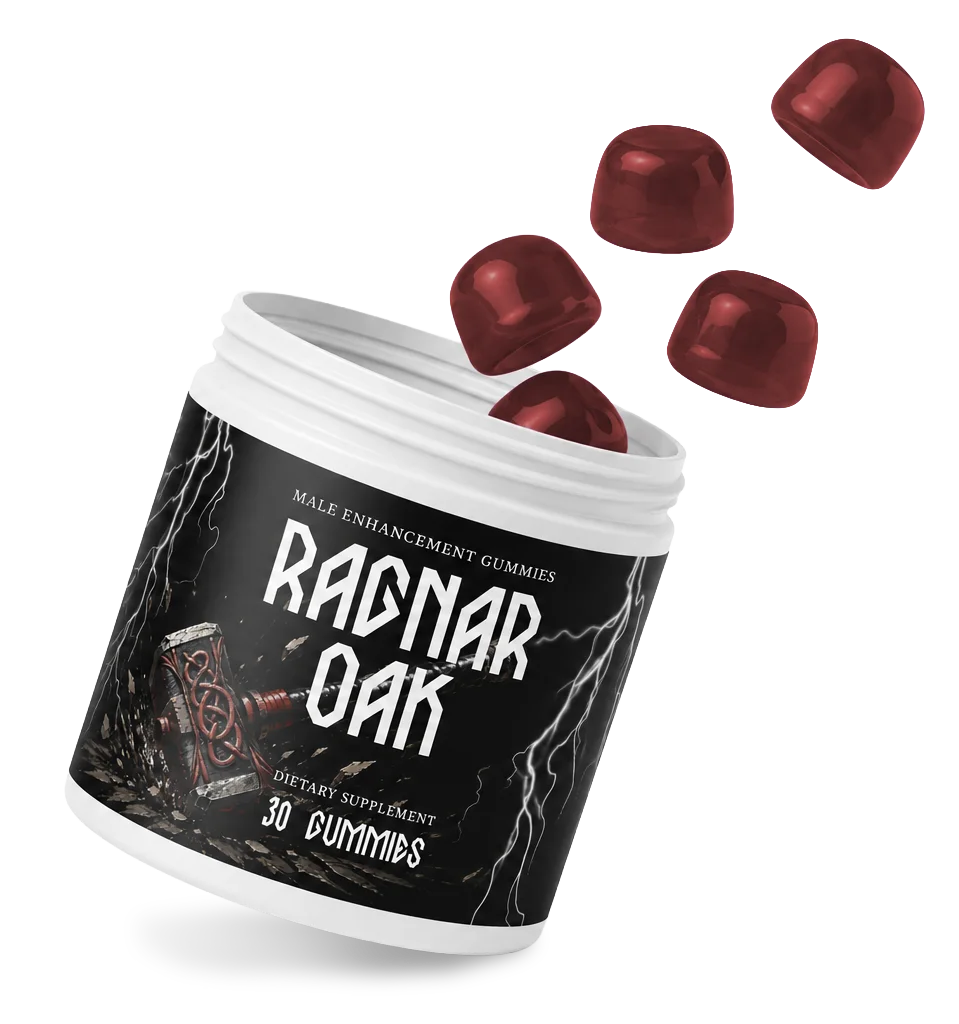
What is actually in a gummy
Read the “other ingredients” line on any gummy supplement and the formulation is laid out for you. On this one it is corn syrup, cane sugar, water, apple pectin, sorbitol liquid, natural flavors, citric acid and sodium citrate dihydrate. Corn syrup and cane sugar are the bulk and the sweetness, pectin is the gelling agent, sorbitol keeps it from drying out, and the citric acid and sodium citrate set the pH that lets pectin gel properly.
None of that is filler in a pejorative sense — it is what makes the thing a gummy. But it is also why the panel says 10 calories and 3 grams of sugar for 82 milligrams of active blend. The sugar is not an additive to the actives; the actives are an additive to the sugar.
The taste constraint is the real limit
Botanical extracts taste terrible, and concentration makes it worse. A 10:1 ashwagandha extract is ten times as bitter per milligram as the raw root. Sugar and flavouring can mask a certain amount, and past that the product is unsellable. Formulators in this category will tell you the practical ceiling for bitter botanical actives in a chewable is somewhere around a hundred milligrams — which is almost exactly what this label reports.
Capsules have no such problem. The powder goes inside a shell, it is swallowed in under a second, and the only constraint is physical volume: a size 0 capsule holds roughly 500 mg of plant powder. That is why a capsule product can carry a trial-level ashwagandha dose and a gummy cannot.
Format against format
| Gummy | Capsule | Powder | |
|---|---|---|---|
| Actives per serving | Tens of mg | 500–800 mg | Multiple grams |
| Added sugar | 2–4 g typical | None | None |
| Taste limit | The binding constraint | None | Significant |
| Adherence | Highest | Moderate | Lowest |
| Heat stability | Poor — melts and settles | Good | Good |
The case in favour, which is real
Adherence is not a trivial benefit. A supplement taken four days a week delivers less than a weaker one taken seven, and gummies genuinely do get taken. For anyone who dislikes swallowing capsules — a larger group than most formulators assume — the choice is often between a gummy and nothing.
The honest position is therefore neither “gummies are a scam” nor the marketing version. It is: a gummy is a pleasant, low-dose format, best judged as a daily habit rather than a clinical intervention, and its label should be read with the format's ceiling in mind.
Two practical checks
First, look at added sugars per serving and multiply by how many gummies the label calls for. One gummy at 3 g is nothing; some products call for three or four, and 12 g of added sugar a day from a supplement is a different conversation, particularly if you are managing blood glucose.
Second, check storage. Gummies are heat-sensitive: leave a jar in a hot car and the actives settle unevenly as the pieces soften and fuse, so the dose per gummy stops being the dose on the label. This one specifies 59 to 86 °F with the jar closed, and that instruction is doing more work than it appears to.
Medical note: if you are managing diabetes or watching added sugar, count the gummies as food as well as supplement. Three grams per piece is small; several pieces a day is not nothing.
Scientific references
Frequently asked questions
Why do gummy supplements have less active ingredient?
Because a gummy is mostly sugar, water and pectin, and concentrated botanical extracts are bitter. There is a practical ceiling — around a hundred milligrams of bitter actives — before the sweet base can no longer mask the taste. Capsules have no taste constraint.
How much sugar is in a supplement gummy?
Typically two to four grams per piece, essentially all of it added sugar from corn syrup and cane sugar. Check the added sugars line and multiply by the number of gummies the serving size calls for.
Are gummies absorbed better than capsules?
Chewing does start breakdown earlier, but for most ingredients the difference in bioavailability is small and does not compensate for a dose that is an order of magnitude lower. Absorption claims are frequently used to distract from that gap.
Do gummy supplements go bad in heat?
They degrade faster than capsules. Heat softens and fuses the pieces, which redistributes the actives unevenly, so the amount per gummy no longer matches the label. Store them at the temperature range the jar specifies.
See what RagnarOak actually carries
The full panel, the 82 mg blend, the nine ingredients inside it, and what each one is genuinely studied for.
Read the RagnarOak Review