Natural Ways to Increase Testosterone in Men: What Actually Moves the Needle
Quick Answer: What Are the Natural Ways to Increase Testosterone?
The natural ways to increase testosterone that hold up are habits, not pills: sleep seven to nine hours, train with weights, shed excess body fat, correct any vitamin D, zinc or magnesium shortfall, and keep chronic stress in check. No single one is a switch — the gains come from stacking several of them consistently across months, and a daily blend can complement that work rather than replace it.
- Biggest fast lever: sleep — one week at five hours can drop daytime testosterone 10–15%.
- Biggest slow lever: body-fat reduction, because fat tissue converts testosterone to estrogen.
- Fix deficiencies first: vitamin D, zinc and magnesium help most when you are actually low.

Natural ways to increase testosterone start with the basics you already control
Testosterone is the primary male sex hormone, and it does more than drive libido: it is bound up in muscle maintenance, bone density, mood, motivation, red-blood-cell production and body composition. Levels naturally drift down with age — roughly one percent a year after the mid-thirties for many men — and that slow decline is normal. What is not fixed, and what this article is about, is how much of a man's day-to-day hormonal environment is shaped by things he can influence: how he sleeps, how he trains, how much fat he carries, and whether his diet covers a handful of key nutrients.
It helps to set expectations before we start. None of the natural levers below turns a middle-aged man into a twenty-year-old, and if your testosterone is genuinely low on a blood test, that is a medical conversation, not a lifestyle one. But for the large group of men sitting in the low-normal range because of poor sleep, excess weight and chronic stress, the honest news is good: those inputs are adjustable, they compound, and the same habits that support healthy testosterone also improve nearly everything else about how you feel. A supplement can be one input among many — useful as a nudge, not as a substitute for the work.
Sleep is the single most underrated testosterone lever
If you change one thing this month, make it sleep. The bulk of a man's daily testosterone is produced while he sleeps, rising through the night and peaking in the early morning, which is why the pattern collapses when sleep is cut short. The most-cited demonstration is a controlled study in which healthy young men were restricted to about five hours a night for one week; their daytime testosterone fell by roughly 10 to 15 percent — the kind of drop you would otherwise associate with adding a decade of age. One bad week did it.
The practical target is seven to nine hours of actual sleep, not seven to nine hours in bed scrolling. Quality matters as much as quantity: fragmented sleep and untreated sleep apnea both blunt testosterone, and apnea in particular is common and under-diagnosed in men who snore heavily or wake unrefreshed. If that describes you, a sleep assessment will do more for your hormones than any bottle. The good news is that sleep is the fastest-reversing lever here — fix it and the effect shows up in days, not months.
Resistance training and the muscle–hormone loop
Exercise supports testosterone, but not all exercise is equal, and the effect is easy to over-sell. Resistance training — lifting weights, using bands, or hard bodyweight work — produces a short, sharp rise in testosterone during and immediately after a session, especially when you use large muscle groups (squats, deadlifts, rows, presses) with challenging loads and short rest. That acute spike is transient and fades within an hour or so, so it is not where the real value lies.
The durable benefit is indirect and it is the one that counts: training builds and preserves muscle, reduces fat, improves insulin sensitivity and lowers baseline stress — and every one of those feeds back into a healthier hormonal environment over time. High-intensity intervals help on the body-composition front too. The cautionary note is overtraining: relentless high-volume endurance work with inadequate recovery can push testosterone the wrong way by keeping cortisol elevated. As with sleep, the message is balance, not maximum effort. Two to four quality resistance sessions a week, progressed sensibly, is the sweet spot for most men.

Body fat, insulin and the aromatase problem
Of all the natural ways to increase testosterone, losing excess body fat has some of the strongest evidence — and there is a clean mechanism behind it. Fat tissue is not inert storage; it is metabolically active and it contains an enzyme called aromatase, which converts testosterone into estrogen. The more excess fat a man carries, particularly around the abdomen, the more of this conversion happens, and the lower his total testosterone tends to run. Higher body fat is also linked to insulin resistance and low-grade inflammation, both of which further suppress the signal.
This sets up a loop that works in whichever direction you push it. Excess fat lowers testosterone; lower testosterone makes it easier to gain fat and harder to build muscle; and so on. The encouraging half is that the loop reverses: studies of meaningful weight loss in men with obesity generally show total testosterone climbing as fat falls. You do not need to get lean to benefit — moving from obese toward a healthier body-fat range captures most of the effect. Because the change tracks the fat loss itself, it is gradual, and that is a feature: a slow, sustained decline in waist size is exactly the kind of change that lasts.
Vitamin D, zinc and magnesium: fix the deficiencies first
Micronutrients are where the internet oversimplifies hardest, so here is the honest version. A short list of vitamins and minerals genuinely matters for testosterone — but mostly as the correction of a shortfall, not as boosters for a man who already has enough. Topping up a real deficiency can help; pouring more onto an adequate level does not keep raising it.
Vitamin D behaves more like a hormone than a vitamin, and receptors for it sit in reproductive tissue. Deficiency is extremely common, especially for men who work indoors or live at higher latitudes, and correcting a genuine shortfall is associated with better testosterone status. Zinc is directly required for normal testosterone production; men who are deficient — a risk for heavy sweaters, some vegetarians and older men — can see levels suffer, and repletion helps. Magnesium supports testosterone more indirectly and also happens to improve sleep, which loops back to lever number one. The sensible play is food first (fatty fish, shellfish, red meat, eggs, nuts, leafy greens), test if you suspect a gap, and supplement to correct rather than to megadose.
A daily blend to sit on top of the habits
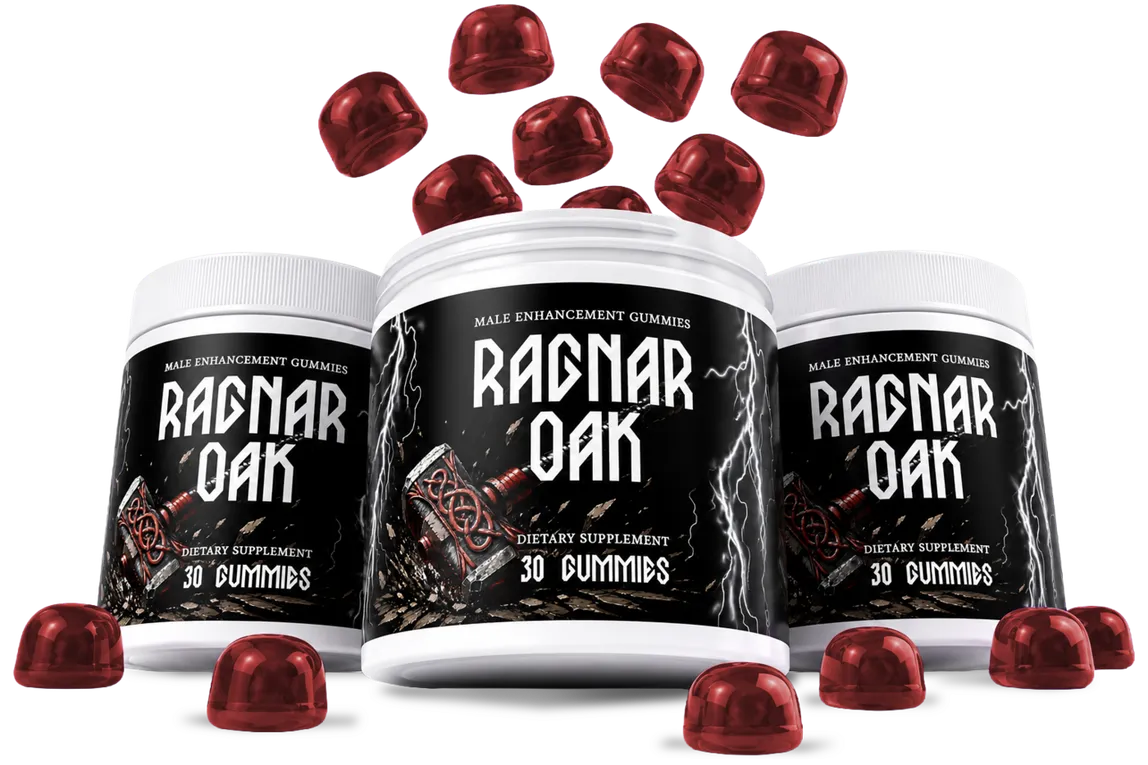
Once the sleep, training and body-composition work is under way, some men like a single daily gummy that gathers ashwagandha, maca, tribulus and the rest into one step. If that is you, the official store lists the full RagnarOak panel and the current bundles — a complement to the habits, never a shortcut past them.
See RagnarOak at the Official StoreCortisol, stress and where ashwagandha fits
Cortisol is the body's main stress hormone, and it and testosterone tend to move like a seesaw: when chronic stress keeps cortisol elevated for weeks and months, testosterone is pushed down. This is one reason the busiest, most overloaded stretches of life so often coincide with flat libido and low drive — it is not only in your head, it is in your bloodstream. Managing that load is therefore a legitimate hormonal strategy, not just a wellness nicety. The tools are familiar: protect sleep, avoid chronic overtraining, and build genuine recovery into the week.
This is also the point where a supplement ingredient earns a mention on the evidence. Ashwagandha is an adaptogen studied specifically for lowering perceived stress and cortisol, and a handful of small trials have reported modest testosterone changes alongside that stress reduction — likely working through the cortisol lever rather than by directly stimulating the testes. It is the most evidence-backed active in the RagnarOak formula, and if you want the concrete numbers, our guide to ashwagandha dosing and the realistic testosterone timeline lays out the studied 300–600 mg range and the 8–12 week windows the research uses. The honest caveat, which we will not bury: the doses used in those trials are far larger than the share any multi-ingredient gummy can carry, a constraint we work through in our breakdown of the 82 mg blend across nine ingredients.
The natural levers at a glance
| Lever | How it supports testosterone | How fast it moves | Evidence strength |
|---|---|---|---|
| Sleep (7–9 h) | Most daily T is made during sleep | Days | Strong |
| Fat loss | Less aromatase converting T to estrogen | Months | Strong (in men with excess fat) |
| Resistance training | Builds muscle, cuts fat, lowers cortisol | Weeks–months | Moderate–strong (indirect) |
| Vitamin D / zinc / magnesium | Correcting a deficiency restores normal production | Weeks | Moderate (mainly if deficient) |
| Stress / cortisol control | Lower chronic cortisol eases the seesaw with T | Weeks | Moderate |
| Daily botanical blend | Supporting role; ashwagandha has the most data | 8–12 weeks | Limited at blend doses |
Three myths worth clearing up
Myth 1: a supplement can replace the habits. No pill out-performs fixing your sleep and losing excess fat, and any product marketed as a shortcut past those is selling the wrong idea. A blend is at best a small nudge layered on a solid foundation. Frame it that way and you will not be disappointed.
Myth 2: more of a nutrient is always better. Vitamin D, zinc and magnesium help when you are low. Once you are sufficient, extra does not push testosterone higher, and very high zinc intakes can even interfere with copper absorption. Correct, do not megadose.
Myth 3: you need to feel a change in a day. Sleep aside, these levers work on the scale of weeks and months. Body composition especially is a slow build. If you are judging any approach — lifestyle or supplement — give it a proper eight to twelve weeks before you draw conclusions, and change one variable at a time so you can actually read the result.
What this cannot do, stated plainly
RagnarOak is a dietary supplement. It is not intended to diagnose, treat, cure or prevent any disease, and nothing here should be read as claiming it raises testosterone or corrects low testosterone. If you have symptoms of low T — persistent low libido, fatigue, mood changes, loss of muscle — the right first step is a blood test and a conversation with your doctor, not a gummy. Low testosterone can also be a marker for other conditions, so it is worth investigating properly rather than self-treating.
Where a daily botanical fits is narrow and worth stating honestly: as a low-risk daily habit layered on top of the levers that actually do the heavy lifting. The doses of ashwagandha, maca and the rest inside a shared 82 mg blend sit below the amounts used in the trials those plants are known for, there is no published trial on the finished product, and for several ingredients the human evidence is thin even at full doses. That is the real picture, and it is exactly why sleep, training, body fat and nutrient status come first in this article and the supplement comes last.
Medical note: if you take medication or manage a health condition, talk to your doctor before starting any men's formula — and get a blood test before assuming your testosterone is the problem.
Related reading
Frequently asked questions
How can I increase testosterone naturally?
The levers with the most support are behavioural: get seven to nine hours of sleep, train with weights two to four times a week, lose excess body fat, and correct any vitamin D, zinc or magnesium shortfall through diet or testing. Managing chronic stress helps too, because sustained cortisol works against testosterone. No single habit is a switch — the effect comes from stacking several of them consistently over months.
Does losing weight raise testosterone in men?
For men carrying excess fat, yes — this is one of the better-supported relationships in the area. Fat tissue contains the aromatase enzyme, which converts testosterone into estrogen, and higher body fat is associated with lower total testosterone. Studies of meaningful weight loss in men with obesity generally show total testosterone rising as fat comes down. The change tracks the fat loss, so it is gradual rather than immediate.
Which vitamins and minerals support testosterone?
The clearest cases are vitamin D, zinc and magnesium — but mainly as correction of a deficiency rather than as boosters in men who already have enough. Vitamin D acts more like a hormone than a vitamin and is involved in reproductive signalling; zinc is required for normal testosterone production; magnesium supports it indirectly. Topping up a genuine shortfall can help; megadosing when you are already sufficient does not add more.
How much does sleep affect testosterone levels?
A lot, and quickly. Most daily testosterone is produced during sleep, so short or fragmented sleep blunts it. Controlled research restricting healthy young men to about five hours a night for one week found daytime testosterone dropped by roughly 10 to 15 percent. Sleep is the fastest-moving and most reversible of the natural levers, which is why it is the first thing to fix.
Scientific references
- NIH Office of Dietary Supplements — Vitamin D fact sheet for health professionals
- NIH Office of Dietary Supplements — Zinc fact sheet for health professionals
- CDC — About Sleep and how much adults need
- Mayo Clinic — Male hypogonadism: symptoms and causes
- PubMed — literature search: sleep restriction and testosterone in young men
Build the habits, then add the daily step
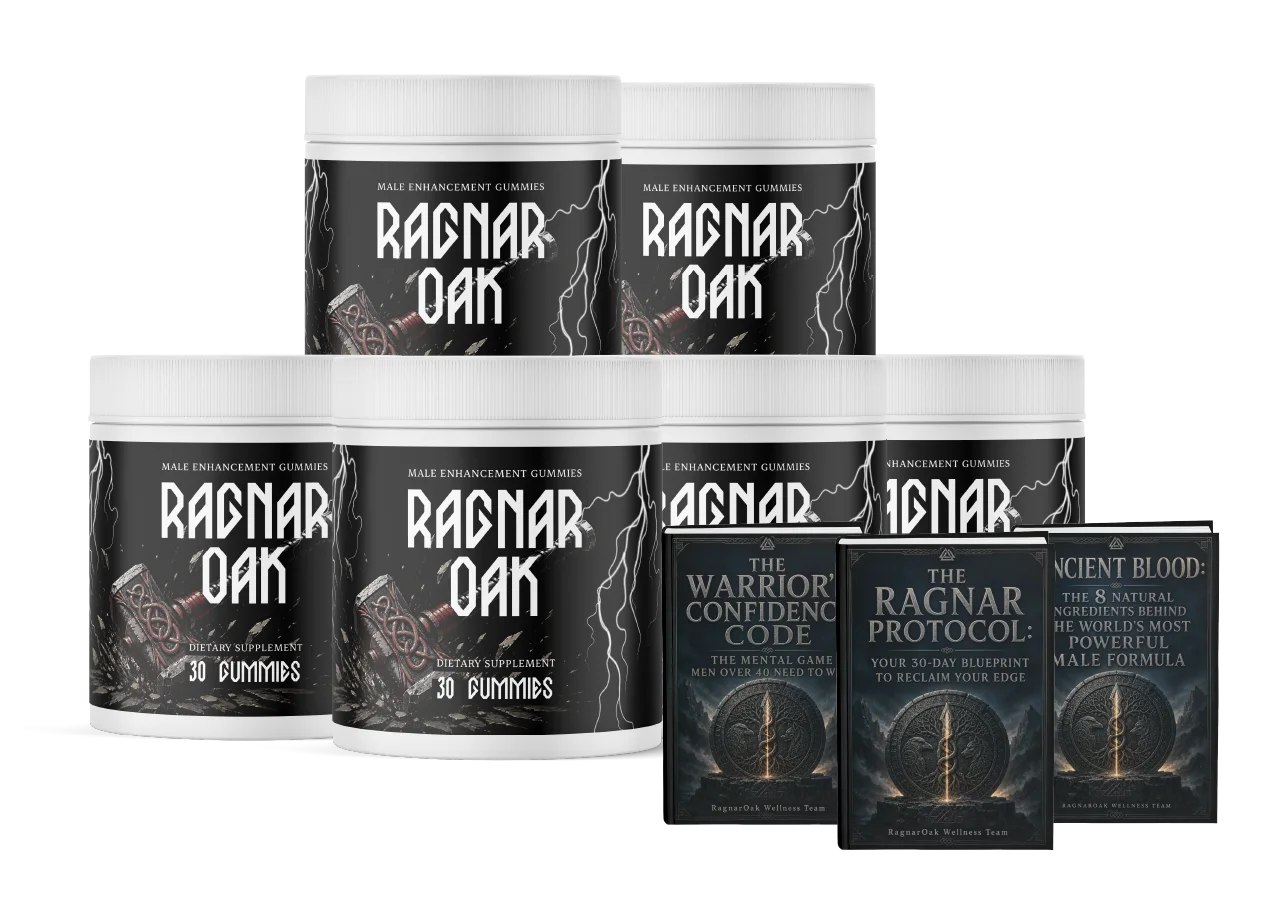
If your sleep, training and nutrition are already moving in the right direction and you want a single daily gummy to round out the routine, the official store lists the full panel, the guarantee terms and where to buy RagnarOak directly.
Check Availability at the Official Store