Tongkat Ali Benefits for Testosterone: The Dose, the Timeline and the Honest Limits
Quick Answer: Does Tongkat Ali Really Raise Testosterone?
Tongkat ali testosterone support works indirectly: the standardized extract helps lower SHBG so more of the testosterone you already make becomes usable, and it eases cortisol, the stress hormone that suppresses it. The studied dose is 200 mg a day over four to twelve weeks, and the effect is most reliable in men who start low or stressed.
- Studied dose: 200 mg/day of standardized root extract; therapeutic range 200–400 mg.
- Timeline: 4–12 weeks of daily use before judging results.
- Best responders: men starting low or borderline, not those with already-normal T.

How tongkat ali testosterone support actually works
The phrase people search is simple — tongkat ali testosterone — and the promise attached to it is usually anything but. Before you scroll another before-and-after, it helps to know what this Southeast Asian root actually does in the body, because the mechanism is what tells you who it helps, how much to take and how long to wait. Tongkat ali, botanically Eurycoma longifolia and known in Malaysia as Longjack, is a traditional tonic that modern research has put through a handful of small, real human trials. What those trials suggest is genuinely interesting, and also narrower than the marketing implies.
Here is the key point that most sales pages skip. Tongkat ali does not appear to work like a hormone that switches production on. It works on the plumbing around the hormone you already make. The most supported story has two parts: it helps lower SHBG — sex hormone binding globulin, the transport protein that binds testosterone and keeps it from being biologically active — and it helps blunt cortisol, the stress hormone that pulls testosterone down when it stays elevated. Lower SHBG means more free testosterone; a calmer cortisol curve means less of the suppression that keeps testosterone flat. That is the lever, and it is a real one, but it is a lever that only has room to move if something is holding it down in the first place.
The SHBG and cortisol story, in plain language
Think of total testosterone as the money in your account and free testosterone as the cash you can actually spend. SHBG is the part that is tied up in a fixed deposit — it exists, it counts toward the total, but you cannot use it today. As men age, or carry extra weight, or run high stress, SHBG tends to rise, which means a larger share of an unchanged total becomes unusable. Tongkat ali's most plausible benefit is that it nudges SHBG down, releasing a bit more of the testosterone that was already there. That is why the same dose can do something noticeable for a stressed, borderline man and almost nothing for a well-rested man whose free testosterone is already fine.
The cortisol side reinforces the same loop. Cortisol and testosterone sit on opposite ends of a see-saw: chronically high cortisol suppresses testosterone, and it also degrades the sleep during which most testosterone is produced. By taking some load off the stress axis, tongkat ali may let testosterone settle a little higher than it did under sustained pressure. This is the same indirect, stress-and-recovery pathway we describe for the adaptogen in the ashwagandha dose and timeline — which is exactly why the two ingredients are complements rather than duplicates. Ashwagandha leans hardest on cortisol; tongkat ali adds the SHBG angle on top.
The clinically studied dose: 200 mg a day of standardized extract
If you take one number from this article, take this one: the dose used in most human tongkat ali research is 200 mg per day of a standardized, water-based root extract, with a broader therapeutic band of roughly 200 to 400 mg daily. That is the fairway. Some trials sit at the low end of it; a few go higher; but 200 mg is the figure the headline results were produced at. Push far past 400 mg and you are not running a better experiment, you are running an untested one — more is not automatically more.
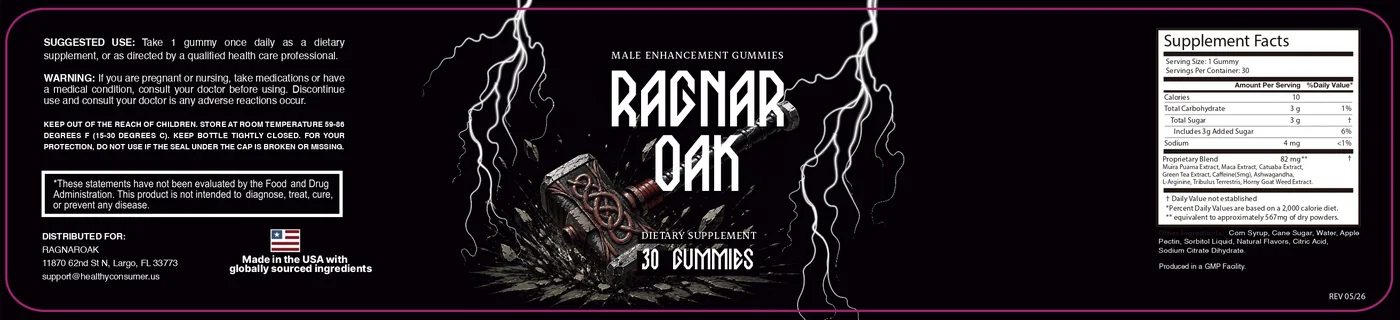
There is a distinction hiding in the word “standardized,” and it is the same trap that catches shoppers on every botanical. A label can list tongkat ali as a concentrated extract — often a 100:1 or 200:1 water extract standardized to a set percentage of eurycomanone, its marker compound — or as plain root powder, which is far weaker gram for gram. Two hundred milligrams of a proper standardized extract is a serious dose; 200 mg of raw powder is not the same thing at all. When you compare two products, the number that matters is milligrams of standardized extract per serving, and ideally the extract ratio behind it. This is precisely the kind of dose arithmetic we run on every finished product, including our line-by-line transcription of the 82 mg blend spread across nine ingredients.
A 90-day supply for a 4-to-12-week question
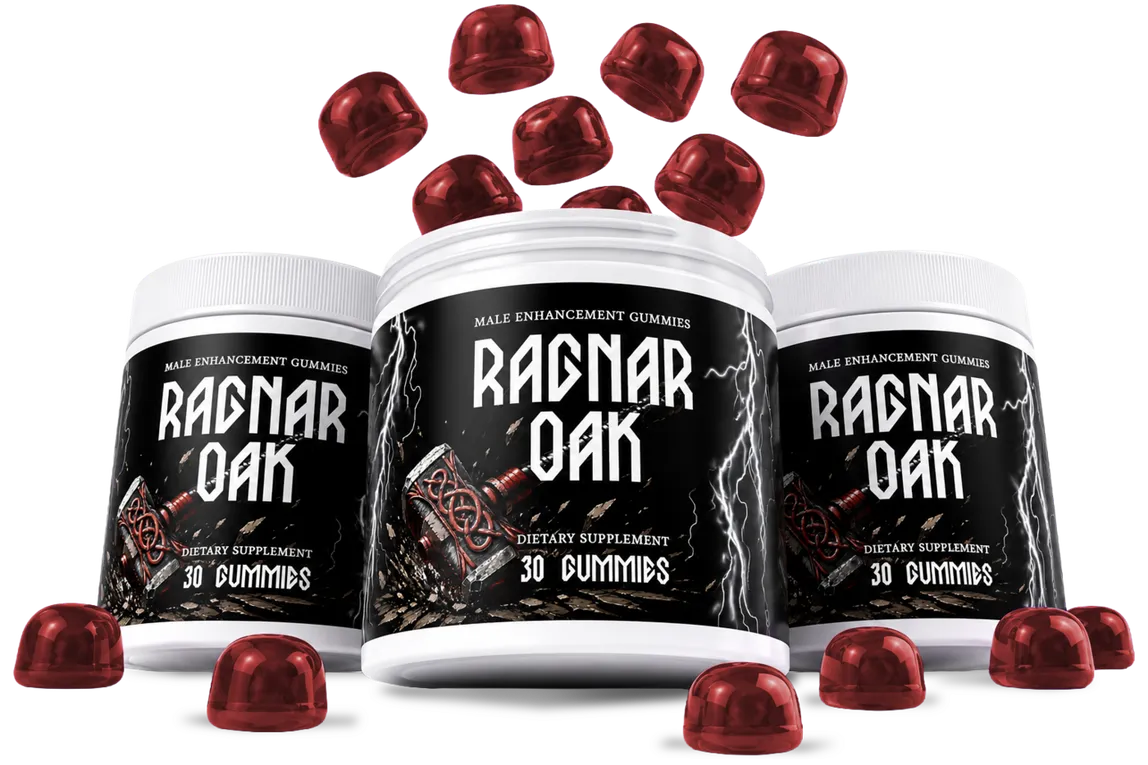
Tongkat ali is judged over weeks, not days, so a fair personal run needs a real supply on hand. The official RagnarOak store lists the full Supplement Facts panel and the 60-day guarantee terms, so you can check the per-serving figures against the studied doses above before you commit.
See RagnarOak at the Official StoreThe 4-to-12-week timeline, and who actually responds
Because the effect works by re-settling a system — SHBG and cortisol drifting down over time — rather than by flipping a switch, the timeline is measured in weeks. Human tongkat ali trials generally run for four to twelve weeks of continuous daily use and take their key measurements at the end, not on day two. That means a fair personal trial is at least four weeks, and eight to twelve weeks is the more honest window before you decide whether it did anything. If you abandon a supplement after a long weekend because “nothing happened,” tongkat ali never had the runway to work.
Just as important is who responds. The clearest results show up in men who start with low, borderline or stress-suppressed testosterone — the men who have room on the see-saw to move. In men whose testosterone and free testosterone are already comfortably normal, the same dose tends to do far less, because there is less SHBG to release and less cortisol excess to unwind. That is not a flaw in the ingredient; it is the honest shape of the evidence. Tongkat ali is a corrector of a suppressed state, not a super-charger of an already-healthy one. If you are chasing above-normal levels, this is not your shortcut, and the better place to start is the everyday foundation we cover in natural ways to raise testosterone.
What the trials found: the numbers behind the headlines
It is worth being specific about where the more eye-catching figures come from, because they are real but they are also conditional. In one often-cited trial of 76 men with low testosterone, roughly 200 mg a day of a standardized extract over about a month was associated with a large rise in total testosterone — in the region of 47 percent — moving many of the men from a deficient reading back toward the normal range. Read the qualifier carefully: these were men who started low. The size of that jump is a function of how far below normal they began, not a promise of a 47 percent gain for a man who is already fine.
A second, frequently referenced study looked at stressed adults rather than diagnosed low-T men. At 200 mg a day for four weeks, it reported cortisol down about 16 percent, testosterone up about 37 percent, and the cortisol-to-testosterone ratio — a rough index of whether you are in a catabolic, stressed-out state or a more anabolic, recovered one — improved by around 36 percent. That ratio is arguably the most honest single number here, because it captures the whole mechanism at once: less stress hormone, more sex hormone, a better balance between them. None of this makes tongkat ali a drug, and none of it should be read as treating a disease — but it does explain why the ingredient earned its search demand.
Tongkat ali for testosterone: the numbers that matter
| Variable | What the research uses | Why it matters |
|---|---|---|
| Daily dose | 200 mg standardized water-based root extract | Below a real extract dose, effects are unlikely |
| Therapeutic range | 200–400 mg/day | More is not better; past this is untested |
| Form | Standardized extract (eurycomanone), not raw powder | Extract is far stronger gram for gram |
| Duration | 4–12 weeks of daily use | Outcomes are measured at the end, not day one |
| Mechanism | Lowers SHBG and cortisol; frees existing testosterone | Explains why low or stressed men respond most |
| In a blend | Check the per-serving tongkat ali figure | Small shared blends rarely reach 200 mg alone |
Tongkat ali inside a nine-ingredient blend: do the dose math
This is where shopping gets tripped up, and it is the same trap regardless of which botanical is on the front of the jar. A men's gummy or capsule that stacks many actives into one small daily serving has a hard physical ceiling on how much of any single ingredient it can carry. RagnarOak, for example, is an 82 mg blend split across nine ingredients in a one-a-day gummy. Do the arithmetic: even if the entire 82 mg were a single active — which it is not — it would still fall short of the 200 mg standalone dose that tongkat ali was studied at. Divide 82 mg across nine botanicals and no individual ingredient in a blend of that size can reach its own solo trial dose.
Read that the right way. It is not an accusation that any blend is misrepresenting itself — a good label prints its figures, which is exactly what lets you run this math in the first place. It is an argument for reading the number instead of the name. The convenience of a nine-in-one format is real, and a small, synergistic dose of several actives is a legitimate product philosophy; it is simply a different thing from a standalone 200 mg tongkat ali monodose. If your goal is specifically to replicate the tongkat ali trials, you want a product that discloses a studied per-serving amount of that extract. If your goal is a broad daily men's blend, judge it as a blend — and the same reading-the-label discipline applies whether you are weighing gummies or comparing formats in whether testosterone booster gummies actually work.
The most common way to be disappointed by tongkat ali is not the ingredient — it is taking a fraction of the studied 200 mg extract dose and expecting the studied 200 mg result.
Three myths about tongkat ali, answered honestly
“It's a natural steroid, so it will push me above normal.” No. Tongkat ali is not a steroid and does not force production upward. It appears to free and protect the testosterone you already make by lowering SHBG and cortisol. That is why it corrects a low or stressed state far more reliably than it super-charges a normal one. If your levels are already healthy, temper the expectation accordingly.
“If a little works, a mega-dose works faster.” Not shown, and not wise. The evidence clusters at 200 mg, with a ceiling around 400 mg. Going well beyond that has not been shown to speed anything up, and higher intakes have been associated with the usual dose-dependent tolerability issues such as restlessness or insomnia in some users. Match the studied dose; do not chase it.
“I felt nothing in a week, so it doesn't work.” A week is not the test. The trials read out at four to twelve weeks precisely because the SHBG-and-cortisol effect accumulates. Judging on day five is measuring your sleep, your stress and your expectations, not the extract. Set a review date about eight weeks out, keep the rest of your routine stable, and let the number — ideally a repeat blood test — decide.
What tongkat ali cannot do, stated plainly
Tongkat ali is a dietary supplement ingredient, and any product built around it, RagnarOak included, is a dietary supplement. Neither is intended to diagnose, treat, cure or prevent any disease, and nothing here should be read as claiming tongkat ali treats low testosterone as a medical condition. If a blood test shows genuinely low testosterone, that deserves a doctor's assessment — there are established medical treatments for it, and a botanical is a support, not a substitute. The honest lane for tongkat ali is exactly that: a reasonably well-tolerated daily extract that, at a studied dose over a studied timeline, may help stressed or borderline men free up and protect a bit more of the testosterone they already produce.
Set against that honest frame, the finished-product reality is worth repeating one last time. There is no published human trial on any specific nine-ingredient gummy, and inside a shared 82 mg blend the amount of any one active sits below the standalone 200 mg range that tongkat ali was studied at. That does not make the ingredient a bad one or the blend a scam — it makes the per-serving dose the thing to scrutinize. Buy for the figure on the panel, run it for a fair four to twelve weeks, and set your expectations to “modest, conditional support,” not “testosterone therapy in a gummy.”
Medical note: tongkat ali may affect blood sugar, blood pressure and hormones and could interact with related medications. It is not advised in pregnancy or nursing, or for those with hormone-sensitive or prostate conditions. If you take medication or manage a health condition, talk to your doctor before starting it.
Related reading
Frequently asked questions
How does tongkat ali increase testosterone?
Tongkat ali (Eurycoma longifolia) does not appear to force the testes to make more hormone. Instead it works two indirect ways: it helps lower sex hormone binding globulin, or SHBG, the protein that locks up testosterone and keeps it from being usable, which frees more of the testosterone you already make; and it helps blunt cortisol, the stress hormone that suppresses testosterone. Both levers matter most in men who start low or stressed.
What is the clinically studied tongkat ali dosage?
The dose used in most human research is 200 mg per day of a standardized water-based root extract, with a broader therapeutic range of roughly 200 to 400 mg daily. Higher is not automatically better. The figure that matters on any label is milligrams of standardized extract per serving, not the raw root weight, so read the panel before comparing one product to another.
How long does tongkat ali take to work?
Plan on weeks rather than days. The trials that report testosterone and cortisol changes generally run for four to twelve weeks of continuous daily use and measure their results at the end. Because much of the effect builds through lowering SHBG and cortisol over time, a fair personal trial is at least four weeks, and eight to twelve weeks is a more honest window before judging.
Who should avoid tongkat ali or check with a doctor first?
Tongkat ali is generally well tolerated at studied doses, but it is not for everyone. Anyone who is pregnant or nursing, has a hormone-sensitive condition, takes medication for blood pressure, blood sugar or the heart, or has prostate or fertility concerns should speak with a doctor first. It is a support supplement for otherwise healthy men, not a treatment for diagnosed low testosterone, which needs medical assessment.
Scientific references
- NIH National Center for Complementary and Integrative Health — Eurycoma longifolia (Tongkat Ali)
- NIH Office of Dietary Supplements — Dietary Supplements: What You Need to Know
- PubMed — literature search: Eurycoma longifolia, testosterone and SHBG
- PubMed — literature search: Eurycoma longifolia, cortisol and stress
- Mayo Clinic — Testosterone therapy: what to know
Check the dose, then decide
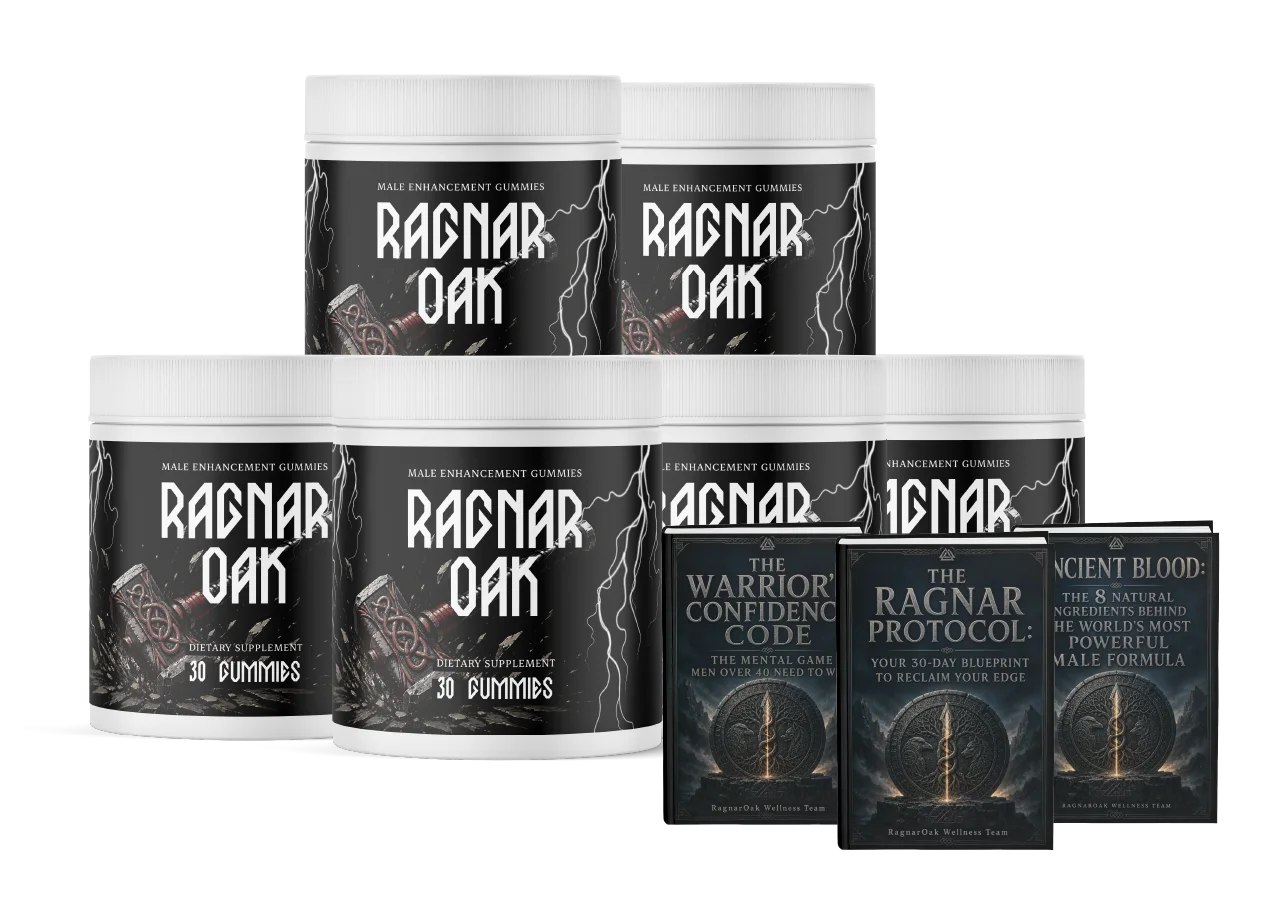
If you want to weigh a daily men's blend against the 200 mg tongkat ali evidence yourself, the official store lists the full RagnarOak panel, the 60-day guarantee terms and where to buy it directly — so you can compare the per-serving figures to the studied doses before you spend a cent.
Check Availability at the Official Store